SOP editing that argues with your draft
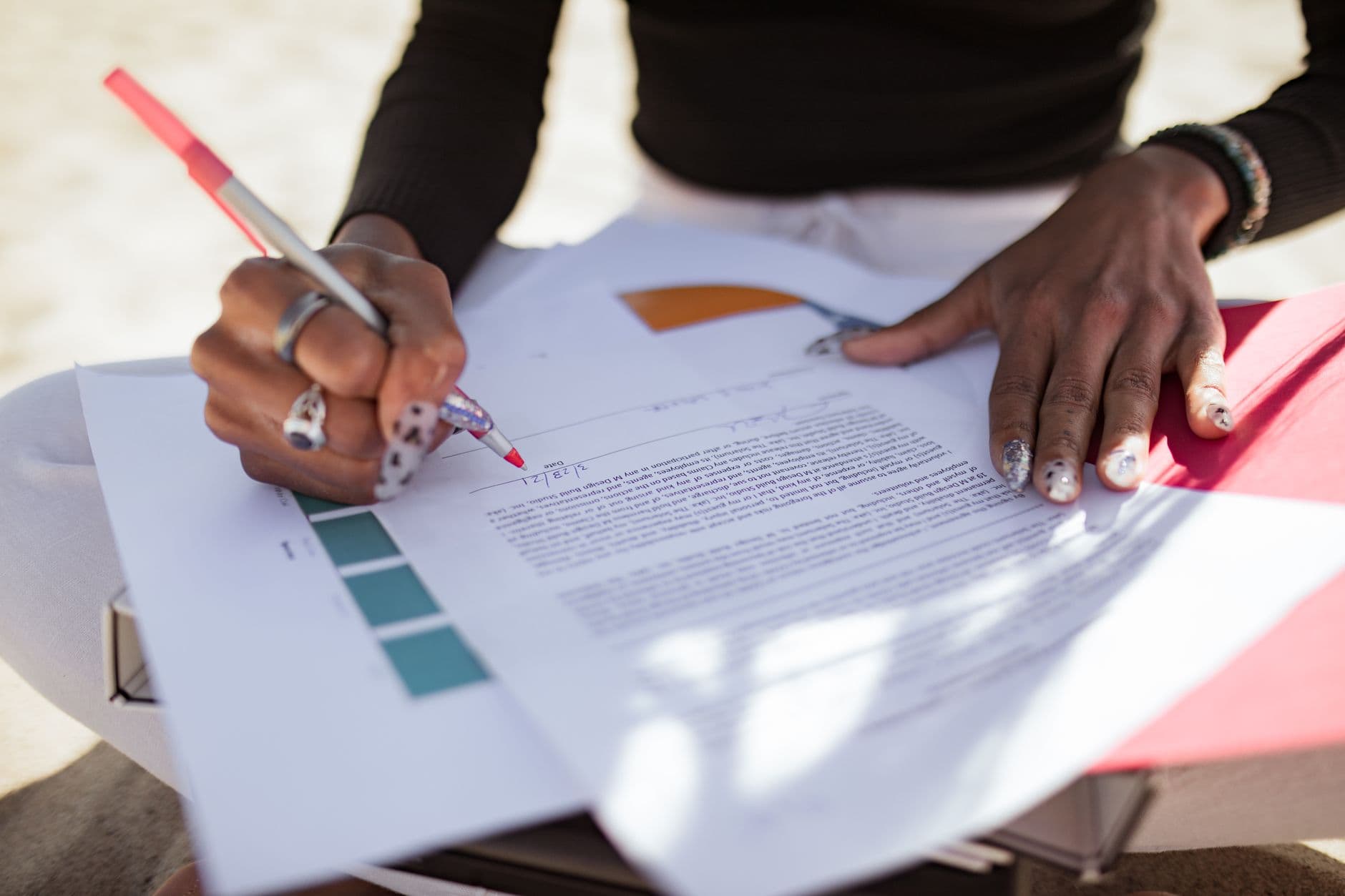
Proofreading catches typos. It does not catch a statement that spends 300 words on an undergraduate group project and 40 on why this programme. Both edits happen here, and the second one matters far more.
Reviewed
Two passes, in this order
The first pass ignores the sentences entirely. We map what each paragraph claims and what evidence sits under it, then mark the paragraphs that assert without evidencing and the evidence that is never connected to a claim. That map comes back to you as margin comments, usually uncomfortable ones.
The second pass is the line edit: verbs, hedges, the passive constructions that make a confident applicant sound apologetic, and the phrases that show up in thousands of statements a year. Only after the structure is settled, because line-editing a paragraph that should be deleted is wasted work on both sides.
The phrases we always cut
Some openings appear so often that readers skip them on sight. "Since childhood I have been fascinated by" is the best known, but the category is much wider: any sentence that could sit at the top of any statement in any discipline.
The replacement is never a cleverer opening. It is a specific one. A statement that opens on the actual moment you understood the problem you want to work on does not need a hook, because it already is one.
- Childhood-fascination openings, and the "ever since I can remember" family
- Adjective stacks with no evidence under them: passionate, dedicated, hardworking
- Rankings and reputation as a reason for choosing a programme
- Gratitude paragraphs addressed to the committee
- Closing sentences that promise to make the university proud
What comes back
A .docx with tracked changes, so you can see every alteration and reject the ones you disagree with. Comments are questions more often than instructions, because we do not know which of two readings of an ambiguous sentence is the true one; you do.
The cover note ranks the problems rather than listing them. If you only have time to fix one thing before the deadline, it says which one.
Right for
Applicants with a complete draft who cannot tell whether it is good, and have run out of friends willing to read it.
Wrong for
Applicants with three disconnected paragraphs and a deadline. That is a writing job.
Questions about this service
Will you rewrite the whole thing?
No. Editing preserves your voice and your argument; where the argument does not hold, the comment says so and suggests a direction rather than replacing your paragraph with ours. If a draft needs rebuilding from the ground up we will tell you before starting and refund the difference against the writing service.
Do you check the word limit and formatting requirements?
Yes, if you tell us what they are. Send the programme's instructions page along with the draft. Portals differ on whether they count characters with spaces, and the difference is often two paragraphs.
How many drafts can I send?
One document, one full edit, one rewrite round after you have responded. Applicants who want continuing feedback across many versions are better served by the writing package, which includes three rounds.