Replacing vocation with evidenced competence
Staff nurse with four years in a Kochi ICU, applying to a UK adult nursing top-up
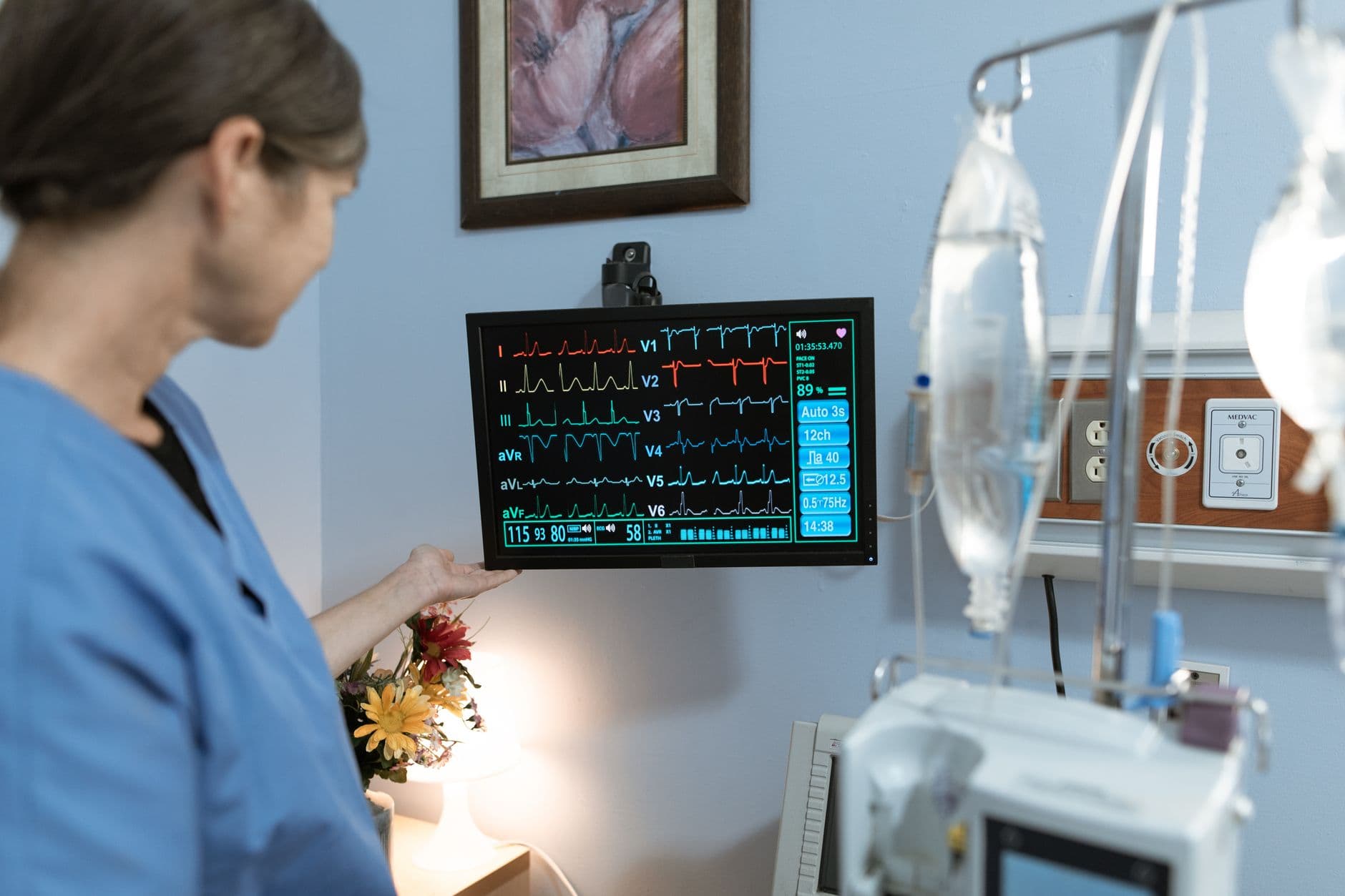
Nursing has been my calling since childhood, and caring for patients gives me immense satisfaction. Over the years I have developed excellent communication skills, empathy and dedication towards my profession. I wish to enhance my knowledge in the UK's world-class healthcare system.
In four years on a twelve-bed ICU I have managed ventilated patients on three-to-one ratios, run the unit's handover for the night shift, and twice escalated deteriorations the monitoring had not yet flagged; one became an arrest call, and the debrief changed how I chart respiratory trends. What I cannot yet do is prescribe, lead a ward, or practise autonomously, and that is what the top-up is for.
Why the second one works
- 01
The strong version counts things: beds, ratios, years. A reader can picture the workload from the numbers alone.
- 02
The escalation episode includes an outcome and a change of practice, which is what turns an anecdote into evidence.
- 03
It names what the applicant cannot do. In a clinical document, a stated scope of practice reads as safety, not weakness.
- 04
The final sentence makes the programme the answer to a named gap, doing the fit paragraph's work a page early.
- 05
No mention of calling, passion or dedication anywhere. The evidence carries all of it.
Written in-house as an illustration. Not a real applicant’s statement, and not a template: a published paragraph is a paragraph a similarity checker has already seen.