Writing
How to edit your own draft
In short
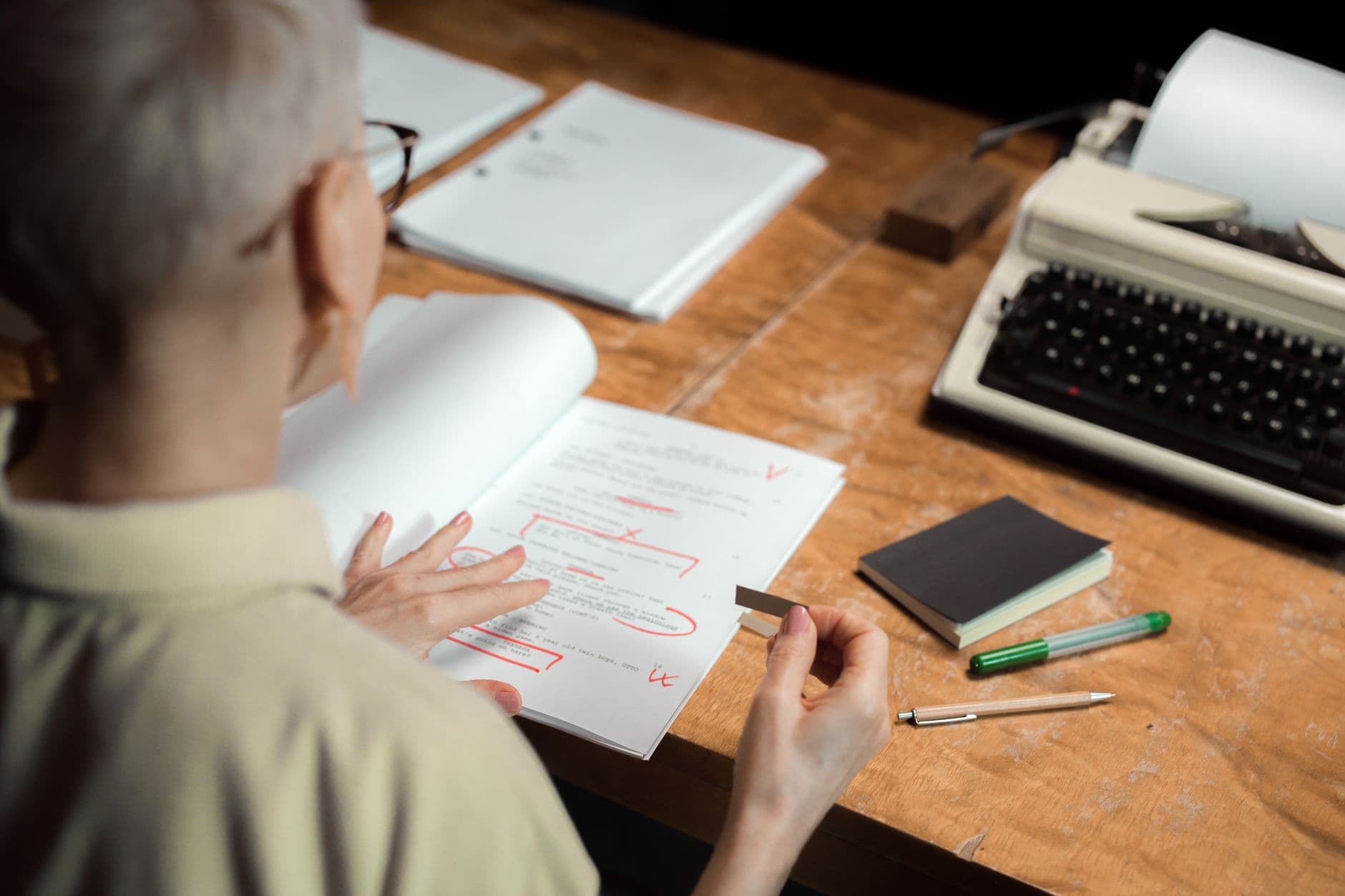
Edit in four separate passes, each looking for one thing: whether every claim has evidence, whether the fit paragraph is specific to this department, whether the structure is in the right order, and only then the sentences. Reading for everything at once is why the fifth re-read finds nothing.
By the fourth read you are no longer reading, you are remembering. The eye slides over the sentence it expects and the error survives another pass.
The fix is not to read more carefully. It is to read for one thing at a time, which is what an editor actually does.
Pass one: claims and evidence
Go through with one question only: does this claim have something under it? Mark every sentence that asserts a quality rather than reporting a fact. Passionate, dedicated, hardworking, strong analytical skills.
Each one is either deleted or replaced with the thing that made you write it. This pass usually removes ten per cent of the word count and improves the document more than any other.
Pass two: the swap test
Take the fit paragraph and mentally replace the university name with a comparable institution. If the paragraph still reads correctly, it is not a fit paragraph, it is a description of a field.
Then do the same with your own name and the whole statement. If it would still make sense as somebody else's, the specific detail is missing rather than merely thin.
Pass three: order
Read only the first sentence of each paragraph, in sequence. Those sentences alone should tell the argument: what I want to study, what prepared me, why this department, what I intend afterwards.
If the sequence jumps or repeats, you have a structure problem, and structure problems cannot be fixed by editing sentences. Move whole paragraphs before touching a word.
Pass four: the sentences, and only now
Read it aloud. Every place you stumble is a place a reader will too, and reading aloud catches the run-on sentence and the missing word in a way that silent reading does not.
Then cut hedges: somewhat, quite, I believe that, it could be argued. They are almost always removable and their presence is the flat over-hedged register that reads as generated even when it is not.
The tricks that restore your eyes
Change the font and the width before the last pass; the text becomes unfamiliar and you start reading again instead of remembering. Read the paragraphs in reverse order to check each stands alone. Leave it two days if you have two days.
None of these is a substitute for another person, which is the real fix. A reader who has never seen the draft finds in ten minutes what you cannot find in a week, which is why an edit returns a cover note ranking the three biggest problems rather than only tracked changes.
Related questions
How many drafts should a statement take?
Three or four substantive ones for most people, plus a final read for typos. More than that usually means the structure was never settled and the sentences are being polished around a problem the passes above would have found.
Should I use a grammar checker?
For grammar, spelling and consistency, yes, in the way any professional writer does. What it cannot do is tell you whether your fit paragraph is specific or whether a claim has evidence under it, which is where statements are actually won and lost.
Who should I ask to read it?
Somebody outside your field is more useful than somebody in it, because they cannot fill your gaps from their own knowledge. Ask them to tell you what you are claiming and why this programme, and if they cannot, the document has not said it.